International Urban Laboratory
Search
121069, Moscow, Bolshaya Molchanovka, 21, office 14
News
August 11, 2026
Environmental Education and Healthy Recreation: Sustainable Development Scenarios Developed for Moscow’s Green Areas
The international urban consultancy CENTER LAB has completed the “Socio-Cultural Study of Moscow’s Specially Protected Green Areas”, developing proposals for 13 green areas across the capital. These include sections of the Zelenogradsky Integrated Nature Reserve, as well as territories in Khovrino, Otradnoye, and Troparevo-Nikulino. The project was implemented with the support of the Moscow Government and commissioned by the My District Development Corporation, which delivers the city’s systemic urban environment development program of the same name.
The study produced both overarching development recommendations and tailored projects for each territory. Experts proposed expanding environmental education across all sites — for example, through ecological trails and interactive environmental installations. They also recommended clear functional zoning for all specially protected green areas, separating zones for quiet recreation from areas intended for more active leisure.
Another key principle is the creation of connected routes, including transit routes, to better integrate protected green areas into the wider urban environment.
Overall, the study proposes more than 50 development measures and over 70 infrastructure projects. Site-specific recommendations include a forest therapy zone with hammocks and tactile panels designed for relaxation and psychological well-being in the Zelenogradsky Nature Reserve near Solnechnaya Alley, as well as a forest therapy trail in the Khimkinsky Landscape Reserve.
For the Forest on the Samorodinka River Landscape Reserve, the proposals include the creation of a green area focused on climate therapy and phytotherapy, featuring a medicinal plant garden, community gardens, and aromatherapy spaces. The concept references the legacy of Dr. Friedrich Joseph Haass, after whom a nearby street and German school are named.
In northern Moscow, the study recommends comprehensive ecological rehabilitation of the entire territory along the Likhoborka River. Proposed measures include clearing the riverbed and banks of waste, fallen trees, and invasive vegetation, reinforcing the riverbanks, and creating small dams and constructed wetland systems to filter water and support biodiversity. A walking route is also proposed for the area.
The study is intended as a practical resource for professionals responsible for managing natural areas.
“The goal of the study was to assess the importance of Moscow’s specially protected green areas for the city as an integrated ecosystem. We analyzed how residents’ demand for comfortable recreation can be balanced with the need to preserve habitats for plants and wildlife. The findings will serve as a practical guide for professionals designing and developing Moscow’s parks, with a focus on environmental education and sustainable development. The study will support improvements to green areas while helping reduce human pressure on natural ecosystems,” emphasized Ketevan Khelaya, Co-founder and CEO of CENTER LAB.
The study was presented to the heads of relevant departments of the Moscow Government and received strong professional feedback. Its findings will form the basis for a new approach to the use of specially protected green areas — one centered on sensitive transformation that responds to the needs of surrounding communities while placing environmental education and ecosystem conservation at the forefront.
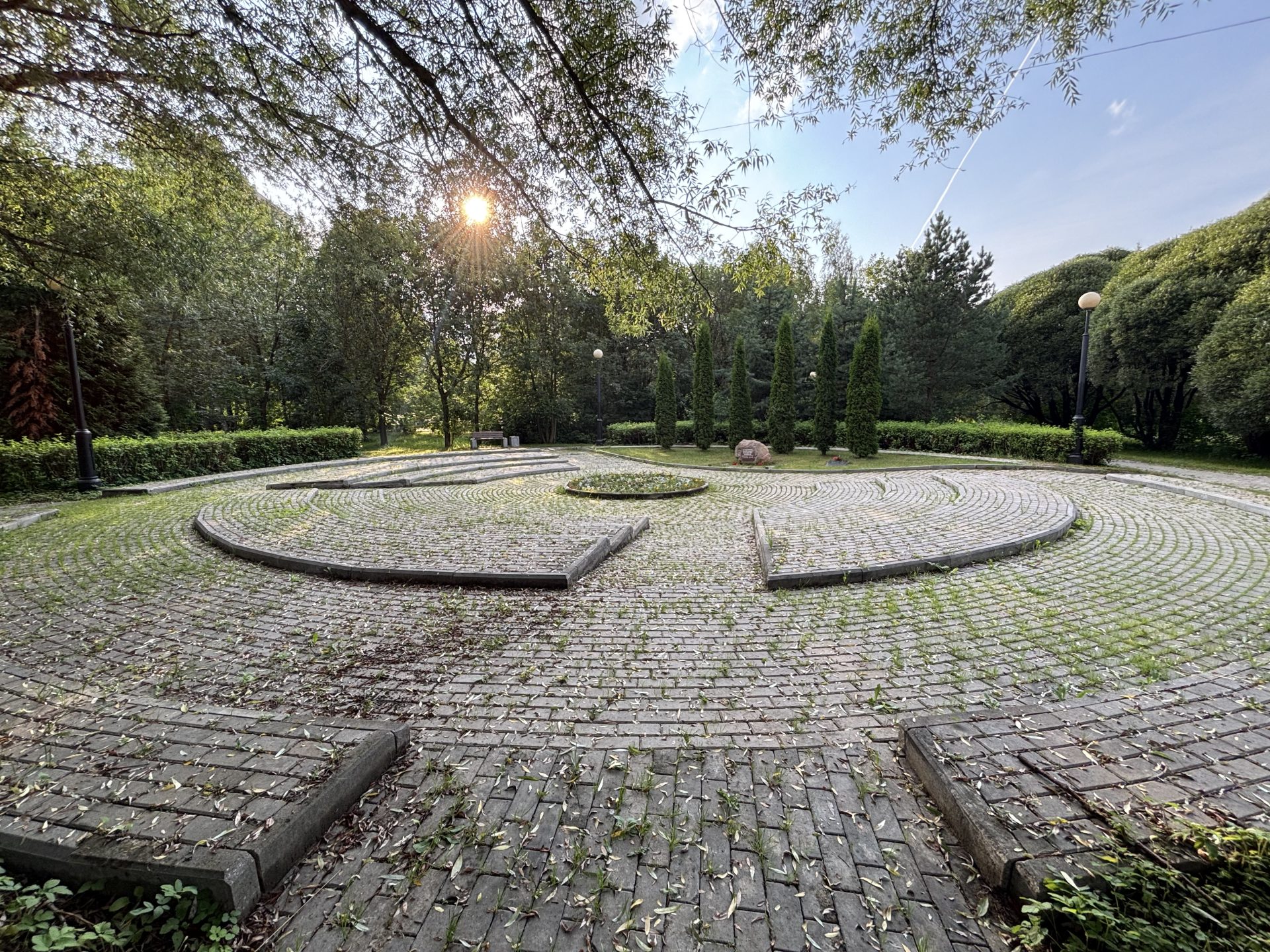
Photo: LLC “CENTER LAB”
Search
Fill out the form on the website or write to us at info@centeragency.org